
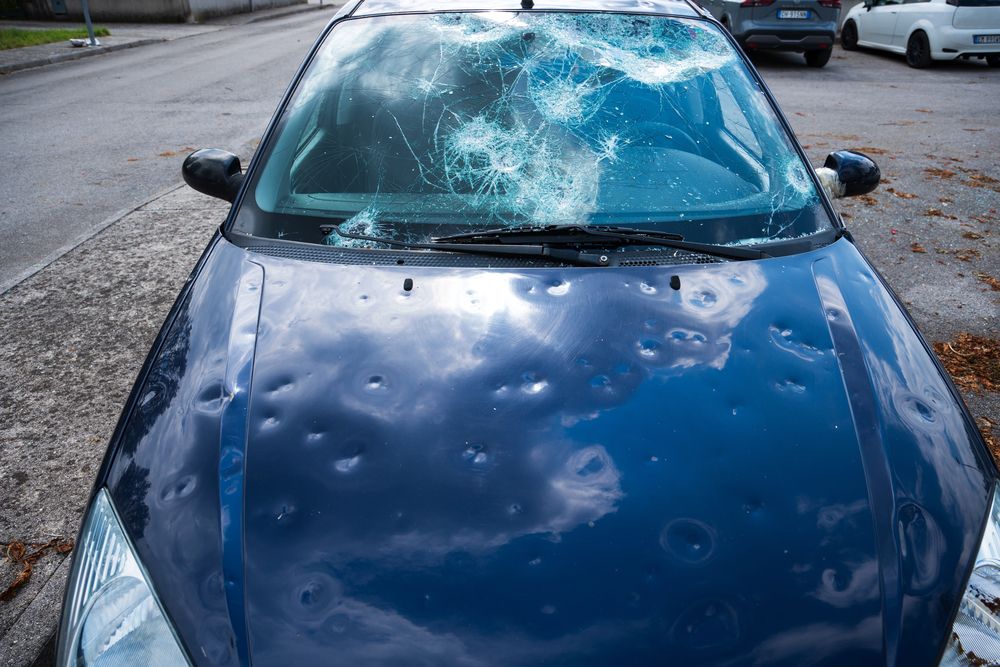
Hailstorms in South Jersey are rare, but are you prepared for when they do happen? What about your vehicle? Hail can cause more than just cosmetic damage to vehicles. While dents and dings on the exterior may seem minor, hail can also create hidden structural issues that affect a car’s safety and performance. Many vehicle owners may overlook the possibility of deeper damage, assuming that only the surface has been affected. However, underlying issues such as frame misalignment, weakened panels, and internal corrosion can worsen over time, ultimately impacting the vehicle’s overall integrity and resale value.
Here is what you need to know about hail causing additional structural damage to South Jersey cars.
Key Takeaways
- Hail damage can go beyond surface dents, potentially causing structural issues like frame misalignment, weakened pillars, and corrosion.
- Misaligned panels, handling problems, unusual noises, and moisture buildup are signs of hidden structural damage that may worsen over time.
- Quick action, including documenting damage and seeking professional assessment, can prevent further deterioration and costly repairs.
- DIY repairs and delaying professional inspections can lead to long-term safety risks and reduced vehicle integrity.
How Hail Affects Vehicle Structure
Hail damage is often associated with visible dents and broken glass, but the impact of hailstones can also weaken a vehicle’s structural integrity in several ways:
- Affected Frame Alignment: Although it will take a lot of force, the repeated impacts of hail may shift parts of the frame, leading to misalignment that affects handling and stability. Even small deviations in the frame can cause uneven tire wear and increased strain on suspension components.
- Weakened Roof and Pillars: The roof and support pillars absorb much of the impact, potentially causing unseen warping or cracks. Over time, these weakened areas may become more susceptible to further damage, especially in subsequent accidents or harsh weather conditions.
- Damage to Welded Seams: Small fractures or separations in the welded seams can reduce the overall strength of the vehicle. These seams are essential for maintaining the structural cohesion of the car, and even minor breaches can lead to significant integrity loss.
- Corrosion: Hail damage can chip paint and protective coatings, exposing the metal underneath to moisture and increasing the risk of rust. Rust formation can spread rapidly if left untreated, further weakening structural components and making future repairs more complex and costly.
Signs of Hidden Structural Damage
The signs of structural damage on a vehicle is not always visible right away. However, by knowing the following signs, you may be able to diagnose damage. Here are some warning signs to look for:
Uneven Gaps Between Panels
If doors, trunk, or hood do not align properly, there may be underlying frame damage. This issue may also cause difficulty in opening or closing these components, as the misalignment can lead to improper fitment. Misaligned panels can also affect aerodynamics and lead to unusual wind noise while driving.
Handling Issues
A car that pulls to one side or has difficulty staying straight could indicate a misaligned frame. Additionally, excessive vibrations while driving, difficulty steering, or an unstable ride may also be signs of underlying damage. These handling problems not only make driving less comfortable but can also pose safety risks, particularly at higher speeds.
Unusual Noises
Creaking, rattling, or clunking sounds while driving may suggest that structural components have loosened. These noises may originate from weakened welds, dislodged support beams, or loose fasteners. If left unaddressed, the compromised areas may continue to degrade, leading to further instability.
Leaks or Moisture Build-Up
Damage to seams and panel joints can allow water to seep in, leading to interior damage and corrosion. Moisture trapped inside the vehicle can result in mold growth, musty odors, and electrical issues. Over time, persistent leaks can weaken the floorboards and other internal components, further compromising the car’s structural integrity.
How to Prevent Further Damage After Hailstorms in South Jersey
If your vehicle has been caught in a hailstorm, taking quick action can help prevent more extensive damage. Start by inspecting your car for visible signs of damage and document them for insurance purposes. Avoid washing or waxing the car until it has been properly assessed, as this can mask certain dents or cracks. You should also avoid any DIY procedures. Trust in the insurance company to make an assessment and then find an auto body repair shop that offers hail damage repair services in South Jersey, like Elmer’s Auto Body.
That said, if there is significant damage, refrain from driving long distances until a professional has evaluated the vehicle for hidden structural weaknesses. Addressing hail damage promptly can prevent corrosion, alignment issues, and safety concerns from developing over time.
Frequently Asked Questions About Hail Damage and Hidden Structural Issues
Can hail damage affect my vehicle’s structure even if the dents look minor?
Yes — hail can cause more than surface dents. Repeated impacts can weaken roof pillars, frame alignment, and welded seams, which may not be visible at first glance. :contentReference[oaicite:0]{index=0}
What are signs hidden structural damage could be present?
Uneven panel gaps, unusual handling or steering changes, creaking or rattling noises, and moisture leaks can all point to underlying structural issues after hail exposure. :contentReference[oaicite:1]{index=1}
Does hail damage just affect the body panels?
Not always. While dents and paint damage are the most obvious effects, hailstones can also chip protective coatings, leading to rust and corrosion that weaken structural components over time. :contentReference[oaicite:2]{index=2}
Should I file an insurance claim for hail damage?
If the hail has caused significant dents, paint damage, structural concerns, or safety system issues, it’s often worth filing a comprehensive claim. Your insurer can help assess coverage for repairs. :contentReference[oaicite:3]{index=3}
Can hidden hail damage affect resale value?
Yes. Even after cosmetic repair, prospective buyers may be wary if structural concerns are suspected, which can lower your vehicle’s resale value over time. :contentReference[oaicite:4]{index=4}
Get Your Hail Damage Repaired at Elmer’s Auto Body
If your car has been exposed to hail in South Jersey, don’t overlook the potential for hidden structural damage. Now that you know the signs, you know when to call an auto body repair shop for assistance. At any of our three South Jersey locations, the Elmer’s Auto Body team is ready to help repair hail damage. Our hail damage service will restore your vehicle’s aesthetics and structural integrity.
Say Goodbye to Hail Damage
Hail damage can cause more than ugly dents and dings. By getting them repaired, you can prevent further damage from spreading through the structure of your vehicle. Call one of our three convenient South Jersey locations to schedule an appointment:
Mt. Ephraim: (856) 456-7018 |
Sewell: (856) 218-0202 |
Medford: (609) 714-4050