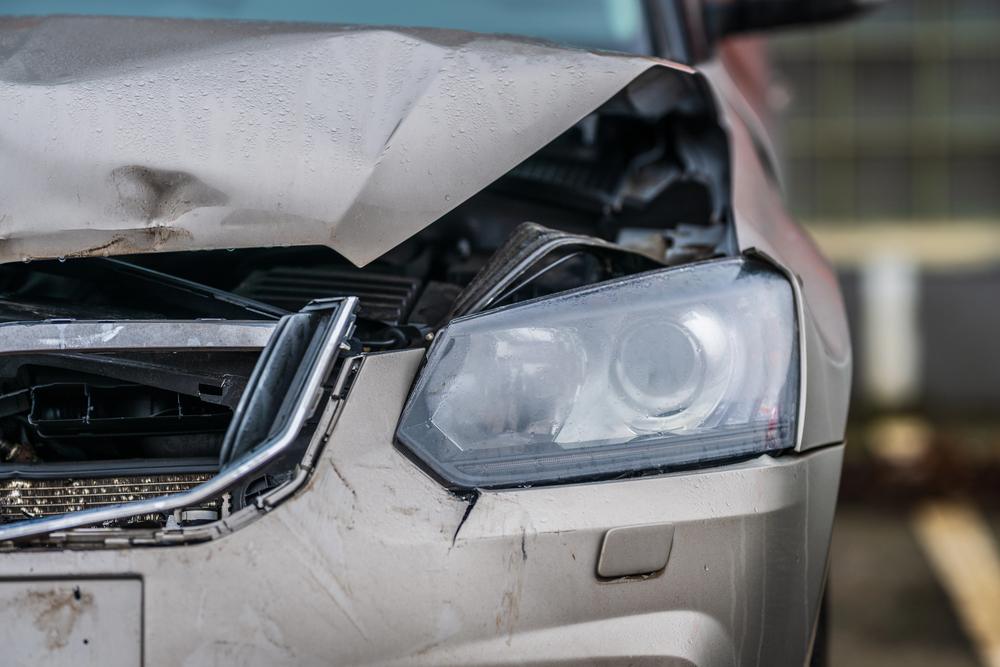
Front-end collisions happen for a variety of reasons, but the result is often the same: a busted hood. While some hoods can be repaired easily, others may have significant damage and need to be replaced entirely. Knowing how the hood gets damaged and what can be done may be beneficial the next time you need to get your vehicle repaired in South Jersey. Here is everything you need to know about getting a new hood after a front-end collision, as well as when you should start the process.
Key Takeaways
- The hood is vital for protecting the engine, supporting safety through crumple zones, and contributing to the vehicle’s aerodynamics.
- Severe dents, misalignment, damaged latches or hinges, cracks in the metal, and rust are all indicators that a hood may need to be replaced rather than repaired.
- Minor damage such as small dents or light misalignment can often be repaired, especially with methods like paintless dent repair (PDR).
- A damaged hood compromises the vehicle’s structural integrity and safety, particularly in future collisions.
- A South Jersey collision repair center can provide a thorough inspection to determine whether repair or replacement is the best course of action.
What is the Purpose of the Hood?
The hood serves several important functions, making it a part of the vehicle that you should aim to have repaired as soon as possible. For instance, the hood protects the engine bay, acting as a shield as you travel or from weather conditions. The hood also aids in safety, as it absorbs the impact of head-on collisions. Within the hood are crumple zones that reduce the risk of injury to passengers. Furthermore, the hood aids in the overall performance of the vehicle, as it promotes aerodynamics. Having a hood that is in disrepair may impact wind resistance and fuel efficiency.
Signs Your Hood Needs To Be Replaced
There are several signs that point to a hood needing repairs or replacement after a collision in South Jersey. Here are some that you can spot with a visual inspection and some automotive know-how:
1. Severe Dents or Creases
A hood with minor dents may be repaired using techniques like paintless dent repair (PDR) or traditional bodywork. However, deep creases, multiple dents, or large impact areas can compromise the structural integrity of the hood. Warped metal may not return to its original shape, making repairs ineffective. If the damage affects the way the hood distributes force in an accident, replacement is the best option to ensure safety.
2. Hood Misalignment
Your hood should sit flush with the fenders and align properly with the front grille and headlights. If you notice uneven gaps, difficulty closing the hood, or a raised edge on one side, the impact may have bent the hood or affected the underlying structure. Misalignment can also lead to increased wind resistance and noise while driving. If realigning the hood and its mounting points doesn’t resolve the issue, a replacement may be necessary.
3. Damage to the Hood Latch and Hinges
The hood latch and hinges secure the hood in place, preventing it from unexpectedly opening while driving. If the latch is damaged, the hood may not close securely, leading to safety concerns. Bent or broken hinges can prevent smooth opening and closing, making it difficult to access the engine. If these components are severely damaged, replacing the hood along with the latching mechanism ensures proper functionality and safety.
4. Cracked or Weakened Metal
Many modern hoods are made of aluminum due to its lightweight properties, but aluminum is more prone to cracking than steel. Even small cracks can expand over time, weakening the hood’s ability to absorb impact. Once metal or aluminum loses its strength, it can no longer provide proper protection in a future accident. If cracks are visible or the hood feels weak in certain areas, a replacement is the safest solution.
5. Rust or Paint Damage After Impact
If your hood’s paint has been scraped or chipped, the exposed metal becomes vulnerable to rust. Over time, rust can spread and compromise the hood’s structure, leading to further weakening. If corrosion has already begun, it may be more cost-effective to replace the hood rather than attempt repairs. Ensuring the new hood is properly coated and painted will help prevent future rust issues.
When Should a Hood Be Repaired or Replaced?
If the damage is minor—such as small dents, light scratches, or slight misalignment—a professional body shop may be able to repair it. Paintless dent repair (PDR) is effective for shallow dents, while traditional bodywork can fix minor misalignments or cosmetic damage. However, if the hood’s structure is compromised due to severe impact, cracks, or latch failure, replacing it is the safest choice. A professional inspection will determine the best course of action to restore your vehicle’s integrity and appearance.
Frequently Asked Questions About Hood Damage After a Collision
Can you drive with a damaged hood after a collision?
Driving with a damaged hood is not recommended. If the hood does not latch properly or is misaligned, it could lift while driving and obstruct visibility. Damage may also expose engine components to debris and weather.
How do collision repair shops decide whether to repair or replace a hood?
A repair center will inspect the hood for structural damage, deep creases, cracked metal, hinge damage, and latch issues. Minor dents or cosmetic damage may be repairable, while severe impact damage usually requires replacement.
Can a dented hood be repaired without replacing it?
In some cases, yes. Small dents may be corrected using paintless dent repair (PDR) or traditional bodywork if the metal has not been stretched or weakened by the impact.
Does hood damage affect vehicle safety?
Yes. The hood contributes to the vehicle’s crumple zones and helps absorb impact during a collision. Significant damage can reduce its ability to perform this function and protect passengers.
How long does it take to replace a vehicle hood?
The timeframe depends on the vehicle model, parts availability, and whether painting or additional repairs are required. A collision repair center can provide a more accurate estimate after inspecting the damage.
Get Your Hood Repaired at a South Jersey Collision Repair Center
Hood damage isn’t just a cosmetic issue. With the hood protecting some of the most valuable machinery, you want to feel peace of mind when getting it repaired. That’s why it’s important to choose a collision repair center in South Jersey with experience and certifications.
Get Your Hood Repaired at Elmer’s Auto Body in South Jersey
At Elmer’s Auto Body, we’ve been helping drivers get back on the road safely since 1947. The hood isn’t purely cosmetic, so make sure its repaired completely after a collision. Our team can assess and repair the damages, or replace the entire hood to restore your vehicle back to its pre-accident condition. Give one of our three convenient South Jersey locations a call:
Mt. Ephraim: (856) 456-7018 |
Sewell: (856) 218-0202 |
Medford: (609) 714-4050